Your roof is one of the most important parts of your home. It protects your family, belongings, and property from rain, wind, snow, heat, and other weather conditions. Because a roof is a long-term investment, choosing a durable roofing material can save you money on repairs and replacements in the future.
Many homeowners ask the same question before replacing or installing a new roof: What are the most durable roofing materials? The answer depends on several factors, including your budget, climate, home design, and maintenance preferences.
At Lunas Roofing, we believe homeowners should understand the strengths and weaknesses of different roofing materials before making a decision. This guide explains the most durable roofing options, their lifespan, advantages, and how to choose the best one for your home.
Why Does Roof Durability Matter?
A durable roof offers more than just protection. It also improves your home’s value, energy efficiency, and overall appearance. A strong roofing material can withstand harsh weather, resist damage, and require fewer repairs over time.
Choosing a high-quality roofing material can provide benefits such as:
- Longer roof life
- Lower maintenance costs
- Better weather resistance
- Improved energy efficiency
- Increased home value
- Greater peace of mind
Although durable roofing materials may cost more initially, they often provide better value because they last much longer.
Factors That Affect Roofing Material Durability
Before comparing roofing materials, it’s important to understand what affects their lifespan.
Climate
Roofs experience different levels of wear depending on the local weather. Areas with heavy rain, hail, snow, hurricanes, or intense sunlight require stronger roofing materials.
Installation Quality
Even the best roofing material will not perform well if it is installed incorrectly. Professional installation plays a major role in your roof’s lifespan.
Roof Maintenance
Regular inspections, cleaning, and timely repairs help prevent small problems from becoming expensive damage.
Ventilation
Proper attic ventilation helps regulate temperature and moisture, reducing stress on roofing materials and extending roof life.
Asphalt Shingles
Asphalt shingles are the most common roofing material used in residential homes across the United States. They are affordable, attractive, and available in many colors and styles.
Most standard asphalt shingles last between 20 and 30 years, while premium architectural shingles may last even longer with proper maintenance.
Benefits of Asphalt Shingles
They are cost-effective, easy to install, widely available, and simple to repair. Modern asphalt shingles also offer good resistance to wind and moderate weather conditions.
Considerations
Although asphalt shingles are reliable, they generally have a shorter lifespan than metal, slate, or tile roofing.
Metal Roofing
Metal roofing has become increasingly popular because of its exceptional durability and energy efficiency. It is available in steel, aluminum, copper, and zinc options.
A properly installed metal roof can last 40 to 70 years, making it one of the longest-lasting roofing materials available.
Benefits of Metal Roofing
Metal roofs resist fire, high winds, heavy rain, snow, and insect damage. They also reflect sunlight, helping reduce cooling costs during hot weather.
Another advantage is that metal roofing requires relatively little maintenance compared to many other roofing materials.
Considerations
Metal roofing usually has a higher upfront cost than asphalt shingles, but its long lifespan often makes it a smart long-term investment.
Clay Tile Roofing
Clay tiles have been used for centuries because of their beauty and impressive durability. They are commonly found on Mediterranean, Spanish, and Southwestern-style homes.
Clay tile roofs often last 50 to 100 years when properly maintained.
Benefits of Clay Tiles
Clay tiles resist fire, insects, rot, and harsh sunlight. They also provide excellent insulation, helping maintain comfortable indoor temperatures.
Considerations
Clay tiles are heavy, so the home’s structure must be strong enough to support the additional weight. Professional installation is essential.
Concrete Tile Roofing
Concrete tiles offer many of the same benefits as clay tiles but at a slightly lower price.
These roofs typically last 50 years or more with proper care.
Benefits of Concrete Tiles
Concrete roofing is highly resistant to severe weather, fire, and impact damage. It also comes in many colors and styles that resemble slate, wood, or clay.
Considerations
Like clay tiles, concrete tiles are heavy and require a strong roof structure.
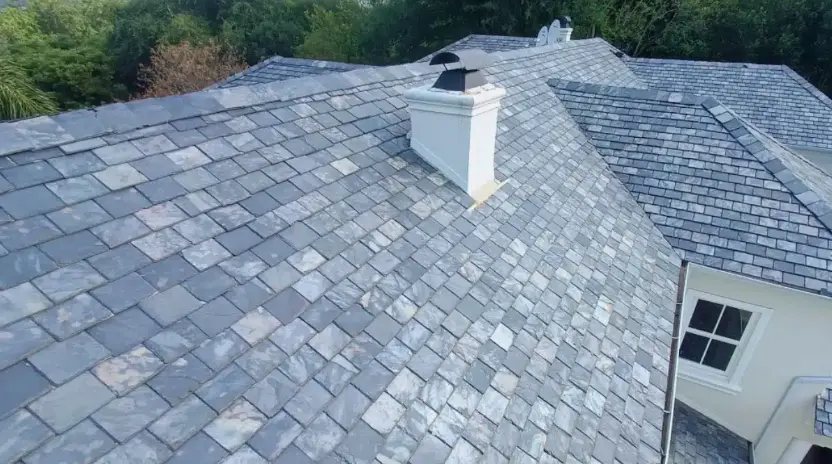
Slate Roofing
Slate is often considered one of the most durable roofing materials available. Made from natural stone, slate roofs are known for their elegance and extremely long lifespan.
A slate roof can last 75 to more than 100 years.
Benefits of Slate Roofing
Slate offers outstanding resistance to fire, moisture, mold, insects, and extreme weather. It also adds significant curb appeal and increases property value.
Considerations
Slate is one of the most expensive roofing materials. It is also very heavy and requires experienced installation.
Synthetic Roofing Materials
Synthetic roofing products are designed to imitate natural slate, cedar shake, or clay tiles while providing improved durability and reduced weight.
Many synthetic roofing systems can last 40 to 50 years.
Benefits of Synthetic Roofing
Synthetic materials are lighter than natural stone and tile, easier to install, and often resistant to cracking, fading, moisture, and impact damage.
Considerations
The lifespan varies depending on the manufacturer and product quality, so it’s important to choose trusted materials.
Cedar Shake Roofing
Cedar shake roofs offer a natural, rustic appearance that many homeowners love.
With proper maintenance, cedar shake roofs generally last 30 to 40 years.
Benefits of Cedar Shake Roofing
Cedar provides natural insulation and creates a beautiful, timeless appearance. It can also resist insects when properly treated.
Considerations
Wood roofing requires regular maintenance to prevent moisture damage, mold, and rot. It may not be suitable in areas with high wildfire risk unless specially treated.
Which Roofing Material Lasts the Longest?
If durability is your highest priority, here is a general comparison:
- Slate: 75–100+ years
- Clay Tile: 50–100 years
- Metal Roofing: 40–70 years
- Concrete Tile: 50+ years
- Synthetic Roofing: 40–50 years
- Cedar Shake: 30–40 years
- Asphalt Shingles: 20–30 years
Remember that these lifespans depend on proper installation, climate conditions, and routine maintenance.
How to Choose the Right Durable Roofing Material
The best roofing material is not always the one with the longest lifespan. You should also consider your home’s design, local weather, maintenance expectations, and budget.
For example, homeowners looking for affordability may choose architectural asphalt shingles. Those planning to stay in their home for many decades may benefit from investing in metal or slate roofing.
A professional roofing inspection can help determine which roofing material best fits your property.
Tips to Make Any Roof Last Longer
Even the most durable roof needs proper care. Following a few simple maintenance practices can significantly extend its lifespan.
Schedule regular roof inspections, especially after major storms. Keep gutters clean so water drains properly. Remove leaves and debris that can trap moisture. Replace damaged shingles or flashing as soon as possible to prevent leaks. Trim tree branches that hang over your roof to reduce the risk of damage during high winds.
Routine maintenance is much less expensive than major roof repairs or early replacement.
When Should You Replace Your Roof?
Even durable roofing materials eventually wear out. Some common signs that it may be time for a replacement include:
Visible cracks or missing roofing materials, frequent leaks, sagging roof sections, water stains inside your home, excessive granule loss from shingles, or a roof that has reached the end of its expected lifespan.
If you’re unsure about your roof’s condition, a professional inspection can identify any issues before they become more serious.
Why Professional Installation Matters
No matter which roofing material you choose, professional installation is essential for long-term performance.
Experienced roofing contractors understand proper installation techniques, ventilation requirements, flashing details, and local building codes. Correct installation helps maximize the lifespan of your investment and reduces the risk of future problems.
At Lunas Roofing, we believe that quality workmanship is just as important as selecting high-quality roofing materials.
Final Thoughts
Choosing the right roofing material is one of the most important decisions you can make as a homeowner. While asphalt shingles remain the most affordable option, materials such as metal, slate, clay tile, and concrete tile provide exceptional durability and can protect your home for decades.
The best roof is one that matches your budget, climate, maintenance preferences, and long-term goals. By selecting quality materials and working with experienced roofing professionals, you can enjoy reliable protection and lasting value for many years.
Whether you’re planning a roof replacement or building a new home, Lunas Roofing is committed to helping homeowners make informed roofing decisions with reliable information and professional expertise.
Frequently Asked Questions
What is the longest-lasting roofing material?
Slate is generally considered the longest-lasting roofing material. With proper installation and maintenance, it can last more than 100 years.
Is metal roofing better than asphalt shingles?
Metal roofing usually lasts much longer, requires less maintenance, and offers better resistance to severe weather. Asphalt shingles are more affordable and remain a popular choice for many homeowners.
Which roofing material is best for extreme weather?
Metal, slate, and concrete tile roofs perform well in harsh weather conditions because they resist wind, fire, and impact damage.
How often should a roof be inspected?
Most experts recommend a professional roof inspection at least once a year and after severe storms.
Does a more expensive roof always last longer?
Not always, but premium roofing materials generally offer greater durability, longer warranties, and lower maintenance costs over their lifespan.