Choosing the right roofing material is an important decision for homeowners in Fresno, CA. Your roof needs to handle hot summer temperatures, strong sunlight, seasonal rainfall, and normal wear over time. The material you choose can also affect your home’s appearance, maintenance needs, energy use, and overall roofing costs.
Several roofing options are available, including architectural shingles, metal roofing, and tile roofing. Each material has different advantages, installation requirements, and maintenance considerations. Some homeowners may also benefit from cool roofing products designed to reflect more sunlight and reduce heat absorption.
Understanding how these materials compare can help you make a more informed decision. Here is what Fresno homeowners should know before choosing a new roofing system.
What Should You Consider When Choosing Roofing Materials in Fresno?
Fresno’s Central Valley climate makes roofing material selection particularly important. Long, hot summers expose roofs to extended periods of sunlight, while seasonal rain can create moisture-related problems if roofing components are not properly installed and maintained.
Before choosing a roofing material, consider these factors:
- Heat and Sun Exposure: Roofing materials differ in how much sunlight they reflect and how much heat they absorb. Reflective roofing options may help reduce heat transfer into your home.
- Durability: Consider how well a material performs under regular temperature changes, UV exposure, wind, and seasonal weather conditions.
- Maintenance Requirements: Some roofing systems need more frequent inspections or maintenance than others.
- Installation Costs: Material prices, roof design, labor, removal of existing materials, and structural requirements all influence the total project cost.
- Energy Efficiency: Certain roofing materials and reflective finishes can help reduce roof surface temperatures and support better home energy performance.
- Appearance: Your roof should complement your home’s architectural style, exterior colors, and overall design.
Comparing these factors helps you select a roofing system that suits your property rather than choosing a material based on appearance or price alone.
1. Architectural Shingle Roofing: A Popular Residential Option
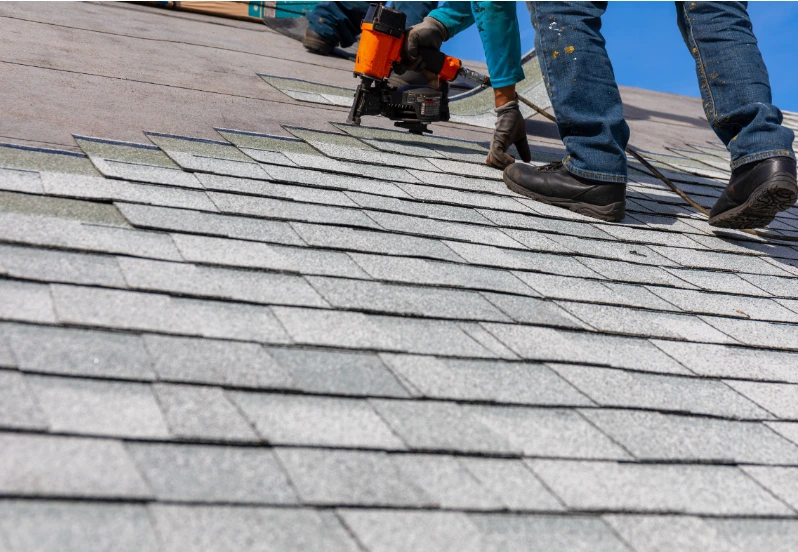
Architectural shingle roofing is a common choice for residential properties because it offers a combination of appearance, material options, and installation flexibility. These asphalt shingles have a dimensional design that gives roofs more visual depth than traditional three-tab shingles.
For Fresno homeowners, architectural shingles are available in different colors, textures, and product specifications. This makes it easier to find an option that complements different home styles.
Benefits of Architectural Shingle Roofing
- Available in various colors and designs.
- Suitable for many residential roof styles.
- Offers a layered appearance that can improve exterior aesthetics.
- Individual damaged shingles can often be repaired or replaced.
- Available in different product grades and performance ratings.
What Should Homeowners Consider?
Asphalt shingles can absorb heat, depending on their color and construction. Homeowners concerned about summer temperatures should compare reflective shingle options and check the manufacturer’s cool-roof ratings where applicable.
Proper attic ventilation, roof underlayment, and professional installation are also important for the overall performance of an asphalt shingle roofing system.
Architectural shingles may be a suitable option for homeowners who want a familiar residential roofing material with different design and price choices.
2. Metal Roofing: An Option for Long-Term Performance
Metal roofing is another option worth considering for homes in Fresno. It is available in different profiles and finishes, including standing seam and corrugated metal roofing.
Metal roofs are valued for their relatively low maintenance requirements and resistance to many common roofing problems. However, performance depends on the metal type, protective coating, installation quality, and overall roof design.
Benefits of Metal Roofing
- Available in several colors, finishes, and profiles.
- Reflective finishes can help reduce solar heat absorption.
- Resistant to many common forms of weather-related wear.
- Lightweight compared with some traditional roofing materials.
- Can provide a long service life when properly installed and maintained.
What Should Homeowners Consider?
Metal roofing generally has a higher initial installation cost than basic asphalt shingles. The total cost depends on the selected metal, roof complexity, underlayment, flashing, and installation requirements.
Homeowners should also consider proper fastening, expansion and contraction, roof ventilation, and compatibility with the existing roof structure.
For properties where heat reflection and reduced routine maintenance are priorities, metal roofing may be worth comparing with other residential roofing materials.
3. Tile Roofing: A Traditional and Distinctive Choice
Tile roofing is commonly found on homes with Mediterranean, Spanish, and Southwestern architectural designs. Concrete and clay tiles are two popular options, each offering different colors, shapes, and finishes.
Tile roofing can be particularly appealing to Fresno homeowners looking for a distinctive roof appearance and a material that performs well under sunny conditions.
Benefits of Tile Roofing
- Available in clay and concrete varieties.
- Offers different colors, profiles, and architectural styles.
- Can provide good resistance to UV exposure.
- Individual tiles can often be replaced when damaged.
- Provides a substantial roofing surface with a distinctive appearance.
What Should Homeowners Consider?
Tile roofing is heavier than many other roofing materials. Before installation, the roof structure must be evaluated to determine whether it can support the additional weight.
Tile roofs also require proper underlayment and flashing. Although individual tiles can last a long time, the underlayment beneath them may need attention or replacement during the roof’s service life.
Tile roofing may be suitable for homeowners who prioritize appearance, material longevity, and a roofing style that complements their property.
4. Cool Roof Installation: Helping Manage Summer Heat
Fresno’s hot summers make heat management an important consideration when selecting a roofing system. Cool roof installation is one option homeowners can explore when planning a roof replacement or new roof construction project.
A cool roof is designed to reflect more sunlight and absorb less heat than a conventional roofing surface. These products are available in different materials, colors, and finishes.
How Does a Cool Roof Work?
Two important characteristics influence how a roofing material manages solar heat:
- Solar Reflectance: The ability of a roofing surface to reflect sunlight instead of absorbing it.
- Thermal Emittance: The ability of a surface to release absorbed heat.
Roofing products with suitable reflectance and thermal emittance properties can maintain lower surface temperatures under sunlight compared with conventional products.
Potential Benefits of Cool Roofing
- May reduce roof surface temperatures during hot weather.
- Can help reduce heat transfer into the building.
- May lower air conditioning demand under suitable conditions.
- Offers additional options when replacing an existing roof.
- Can support energy-conscious home improvement projects.
However, results depend on the roofing product, insulation, attic ventilation, building design, and local climate. A cool roof does not automatically guarantee lower energy bills, and its benefits should be evaluated for the specific property.
5. Energy-Efficient Roofing Solutions for Fresno Homes
Energy-efficient roofing solutions involve more than selecting a particular roofing material. The complete roofing system, including insulation, ventilation, underlayment, and roof color, can influence how well your home manages heat.
For Fresno homeowners, considering these components during a roof installation or replacement project can help improve overall roof performance.
Important Components of an Energy-Efficient Roofing System
Reflective Roofing Materials
Light-colored and specially rated reflective roofing products can reduce the amount of solar heat absorbed by the roof. Options may include reflective metal panels, qualifying asphalt shingles, and other cool roofing products.
Proper Attic Ventilation
Attic ventilation helps manage heat and moisture accumulation in the attic. Depending on the roof design, improvements may include ridge vents and other properly positioned roof vents.
Roof Insulation
Adequate insulation helps reduce heat transfer between the attic and living spaces. Its effectiveness depends on the insulation type, thickness, installation, and the home’s overall construction.
Roof Coatings
Some roofing systems can benefit from compatible reflective roof coatings. These products may help improve solar reflectance and protect suitable roofing surfaces. The coating must be appropriate for the existing roof material and its condition.
When these components work together, they can support better indoor temperature management and overall roofing performance.
Architectural Shingles vs. Metal Roofing vs. Tile Roofing
Each roofing material has different characteristics. Comparing them side by side can help homeowners narrow down their choices.
| Roofing material | Main advantages | Important considerations |
|---|---|---|
| Architectural shingles | Design variety, familiar installation, repair flexibility | Heat absorption and periodic maintenance |
| Metal roofing | Reflective finish options, low routine maintenance | Higher initial cost and installation details |
| Tile roofing | Distinctive appearance, UV resistance, long service potential | Structural weight and underlayment requirements |
There is no single roofing material that is best for every Fresno home. Your choice should depend on your budget, roof structure, preferred appearance, and long-term maintenance expectations.
How to Choose the Right Roofing Material for Your Home
Before making a final decision, evaluate your property’s specific roofing requirements.
1. Consider Your Budget
Determine how much you can spend on the roofing project. Compare the complete installation cost rather than looking at material prices alone. Roof removal, repairs, flashing, underlayment, and labor can all affect the final estimate.
2. Evaluate Your Existing Roof Structure
Some roofing materials, especially tile, require additional structural support. A professional roof assessment can help determine whether your existing roof structure is suitable for the material you want.
3. Think About Future Maintenance
Consider how frequently your selected roofing system may need inspections, repairs, or other maintenance. Regular inspections can help identify loose components, damaged flashing, and early signs of leaks.
4. Compare Energy Performance
If summer heat is a major concern, compare roofing products based on their reflectance ratings, thermal performance, and compatibility with your home’s insulation and ventilation.
5. Work With an Experienced Roofing Contractor
A roofing contractor can inspect your existing roof, evaluate its condition, discuss available materials, and explain the installation requirements. Getting a detailed estimate helps you understand what is included in the project.
When Should You Consider Replacing Your Existing Roof?
Sometimes, choosing a new roofing material becomes necessary because your current roof is showing signs of deterioration.
Here are some common warning signs to watch for:
- Missing, cracked, or curling shingles.
- Frequent roof leaks or recurring water stains.
- Damaged or deteriorating flashing around roof openings.
- Sagging sections or visible roof deck problems.
- Loose or broken roofing tiles.
- Repeated repairs in different areas of the roof.
- Visible wear around roof edges, vents, and other roof penetrations.
Not every roofing problem requires a complete replacement. Some issues can be addressed through targeted roof repair. A professional inspection can help determine whether repair, restoration, or replacement is the appropriate solution.
Frequently Asked Questions
What is the best roofing material for homes in Fresno, CA?
The best material depends on your home’s structure, budget, architectural style, and energy-efficiency goals. Architectural shingles, metal roofing, and tile roofing are all options worth comparing. Reflective roofing products may also be beneficial for homes exposed to extended summer heat.
Is metal roofing a good choice for Fresno’s hot summers?
Metal roofing with an appropriate reflective finish can help reduce solar heat absorption. However, overall indoor comfort also depends on attic ventilation, insulation, roof design, and the quality of installation.
Are architectural shingles suitable for Fresno homes?
Yes. Architectural shingles are a common residential roofing option. Homeowners should compare product specifications, reflectance ratings, manufacturer warranties, and installation requirements before choosing a particular product.
Does tile roofing help with heat management?
Tile roofing can provide useful thermal performance because of its material properties and the way some tile roof assemblies are constructed. However, the overall result depends on the roof design, underlayment, ventilation, and insulation.
What is a cool roof, and is it worth considering?
A cool roof reflects more sunlight and absorbs less heat than a conventional roofing surface. It may help reduce roof temperatures and cooling demand, making it worth considering for homes in hot climates like Fresno.
How often should a residential roof be inspected?
A roof should be inspected periodically, especially after significant weather events or when signs of damage appear. The appropriate inspection schedule depends on the roofing material, age, condition, and manufacturer’s maintenance recommendations.
Choose the Right Roofing Solution for Your Fresno Home
Selecting the right roofing material involves balancing appearance, installation requirements, maintenance, energy performance, and overall project costs. Architectural shingles, metal roofing, and tile roofing each offer different advantages, while cool roofing products provide additional options for managing summer heat.
Before starting a roofing project, have your existing roof evaluated and compare materials based on your property’s specific needs.
Luna’s Roofing provides roofing services for residential properties in Fresno, CA, including roof installation, replacement, repairs, and other roofing solutions. If you are considering a new roofing system or need help evaluating your existing roof, visit our Fresno roofing services page to learn more and contact our team for a free estimate.